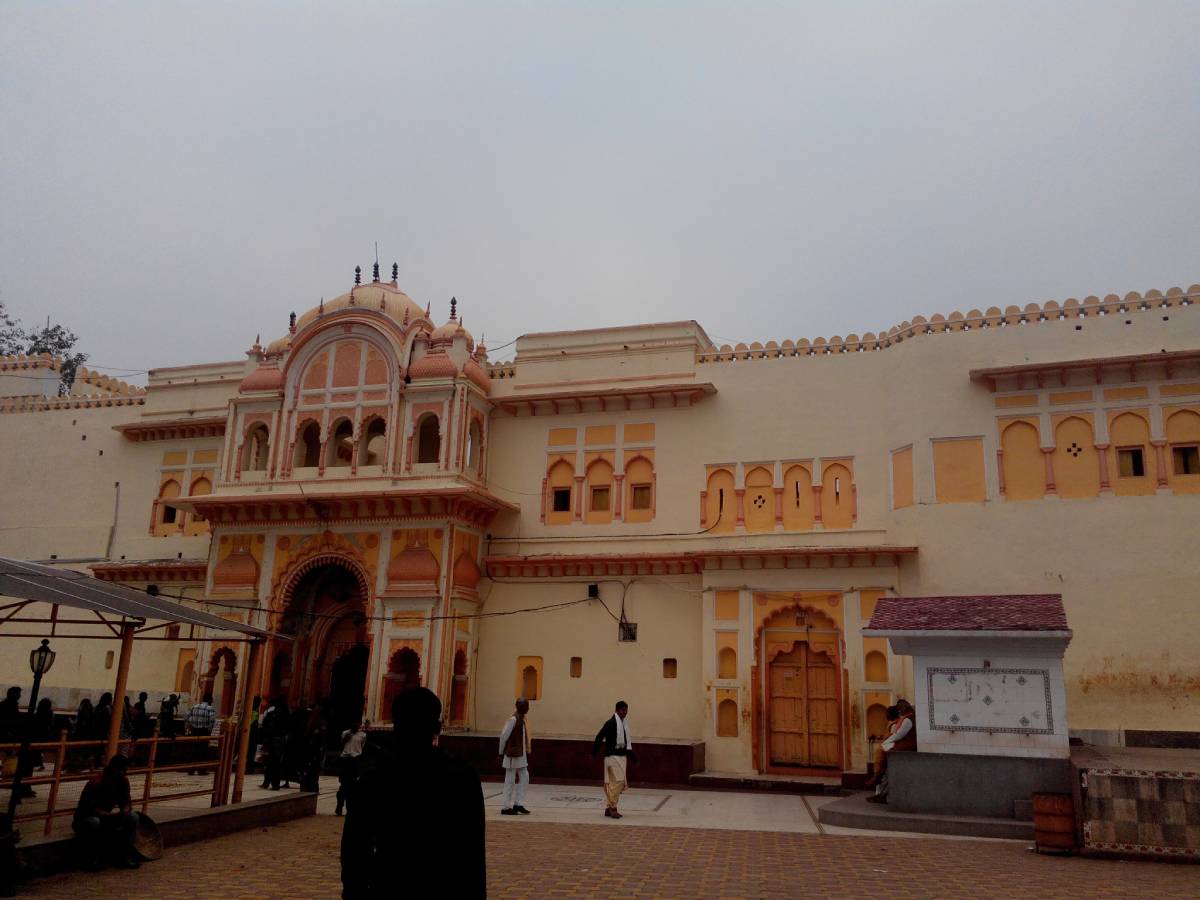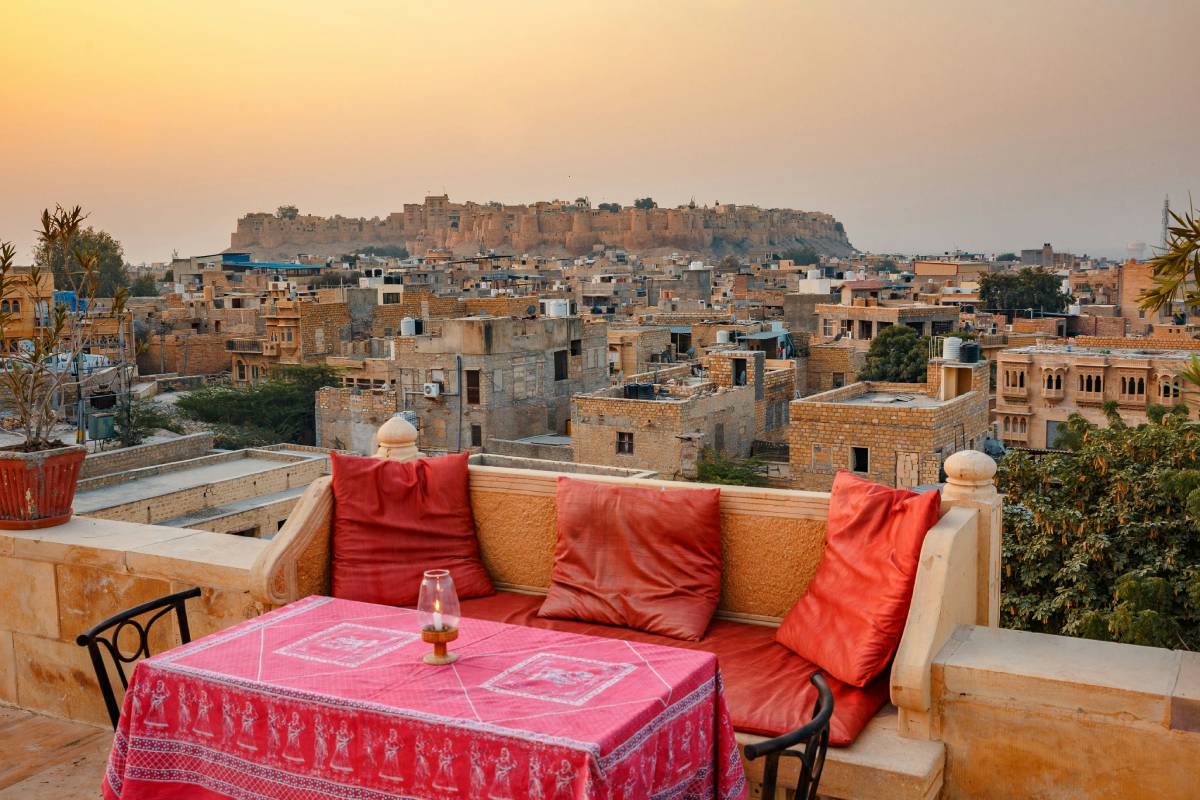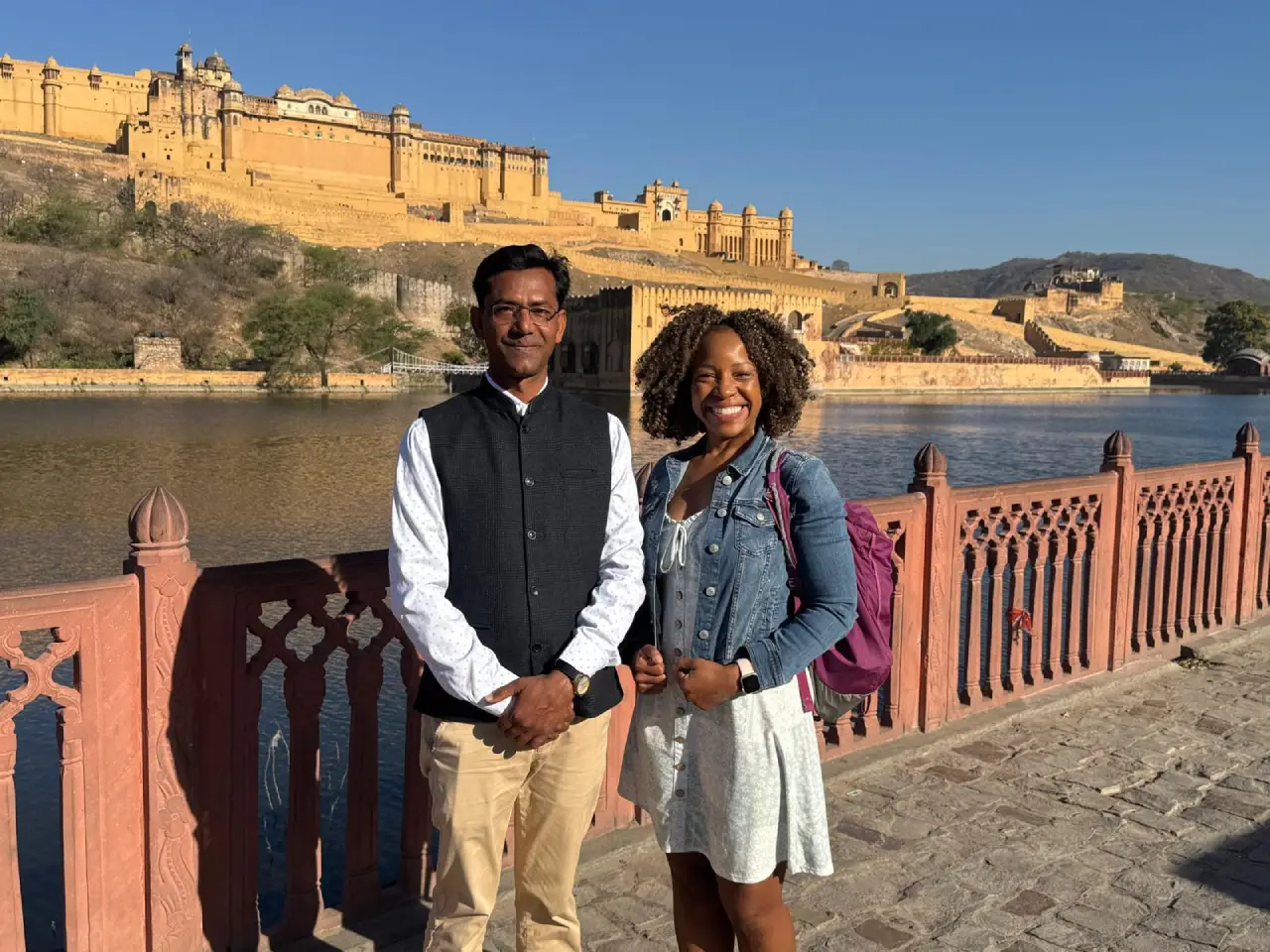

Golden Triangle tour

8 Days Golden Triangle Tour with Ranthambore

4.6 (685)

The Golden Triangle Tour 8 Days with Ranthambore is a thoughtfully crafted itinerary that takes you through some of India’s most famous cities and natural wonders. Over the course of eight days, you’ll have the chance to explore the bustling streets of Delhi, the timeless beauty of Agra, the vibrant architecture of Jaipur, and the serene landscapes of Ranthambore National Park, where you’ll have the opportunity to witness Bengal tigers in their natural habitat.

This private tour gives you the flexibility to explore at your own pace, whether you’re marveling at the intricate details of the Taj Mahal at sunrise, wandering through the forts and palaces of Jaipur, or taking a thrilling safari in Ranthambore.

You’ll be staying in handpicked 4- and 5-star hotels, ensuring comfort and relaxation throughout your journey.

Designed for those who enjoy both history and nature, this tour allows you to experience India’s rich cultural heritage and wildlife in a way that’s both relaxing and immersive.

Whether you’re a first-time visitor to India or looking to explore it in more depth, this 8-day adventure offers a balanced mix of sightseeing, relaxation, and adventure in one of the world’s most diverse countries.

Tour Highlights

check

Explore Delhi’s Mix of Old and New: Visit iconic landmarks like the Red Fort, India Gate, and Humayun’s Tomb.

check

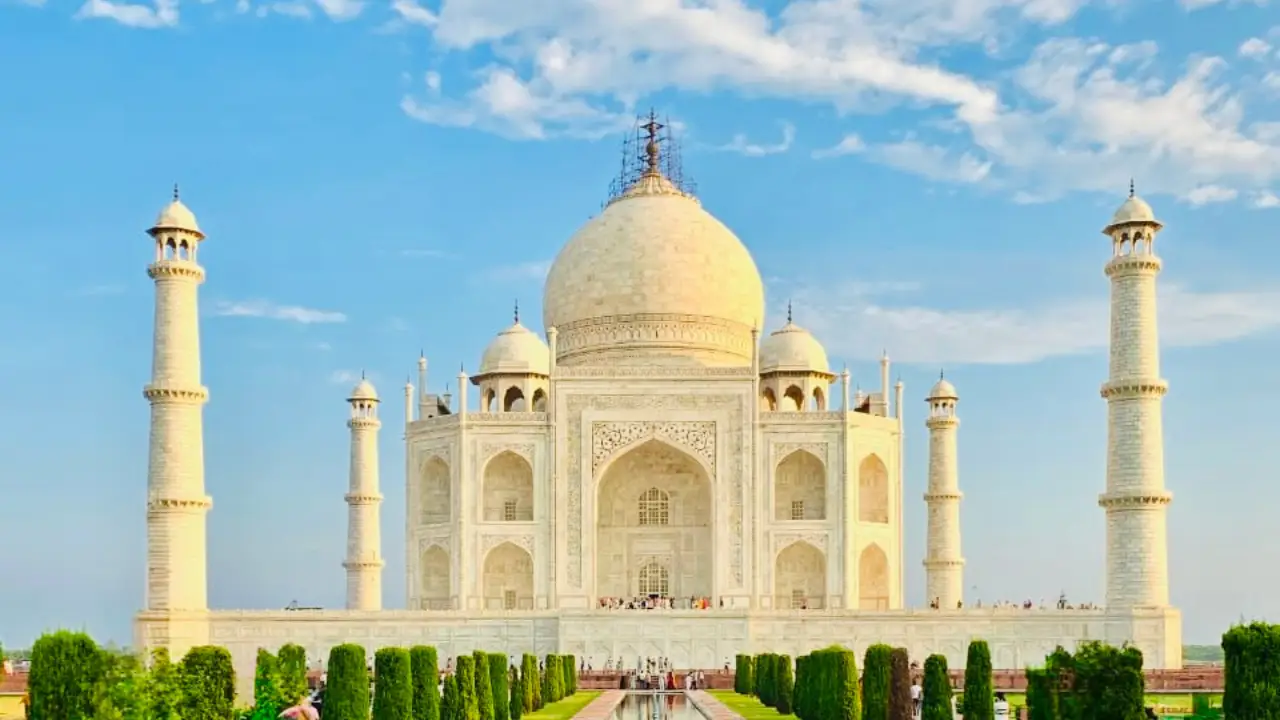
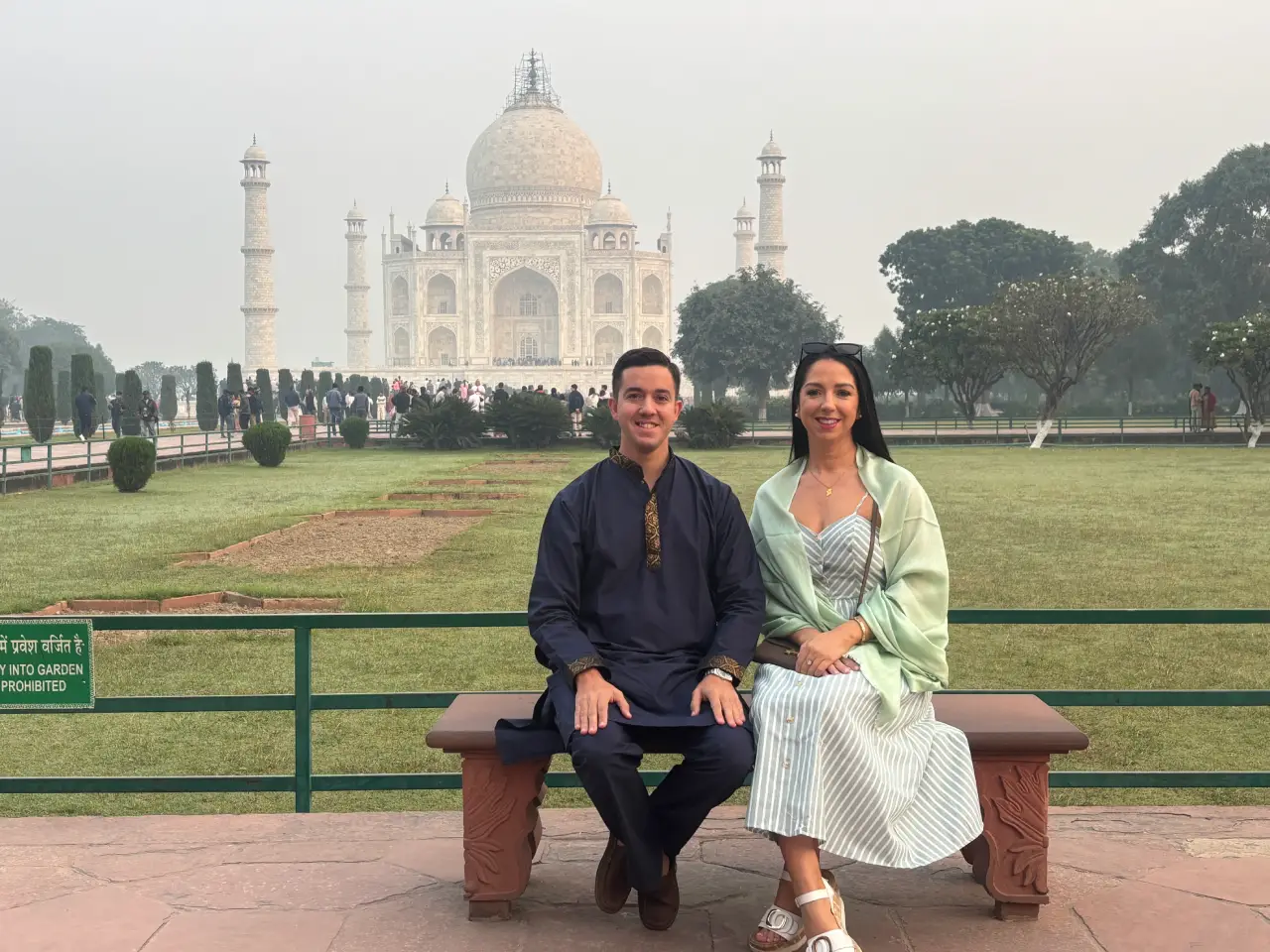
Marvel at the Taj Mahal: See this world-famous monument up close, especially at sunrise.

check

Spot Tigers in Ranthambore: Enjoy safaris in one of the top parks in India to see tigers in their natural habitat.

check

Discover Jaipur’s Palaces and Forts: Explore the majestic Amer Fort, Hawa Mahal, and City Palace.

check

Comfort and Flexibility: Private tours with a driver and guide, staying in 4- and 5-star luxury hotels.


Day to Day Itinerary

Day 1 Arrival in Delhi +

Arrive at Delhi and get picked up by your chauffeur, who’ll take you to your hotel. Today, you can relax and adjust to the time zone.

If you arrive early, consider visiting the Akshardham Temple or going on a short half-day tour of Delhi.

Day 2 Full Day Delhi City Tour +

After breakfast, meet your guide and begin a full day of sightseeing. Start by visiting:

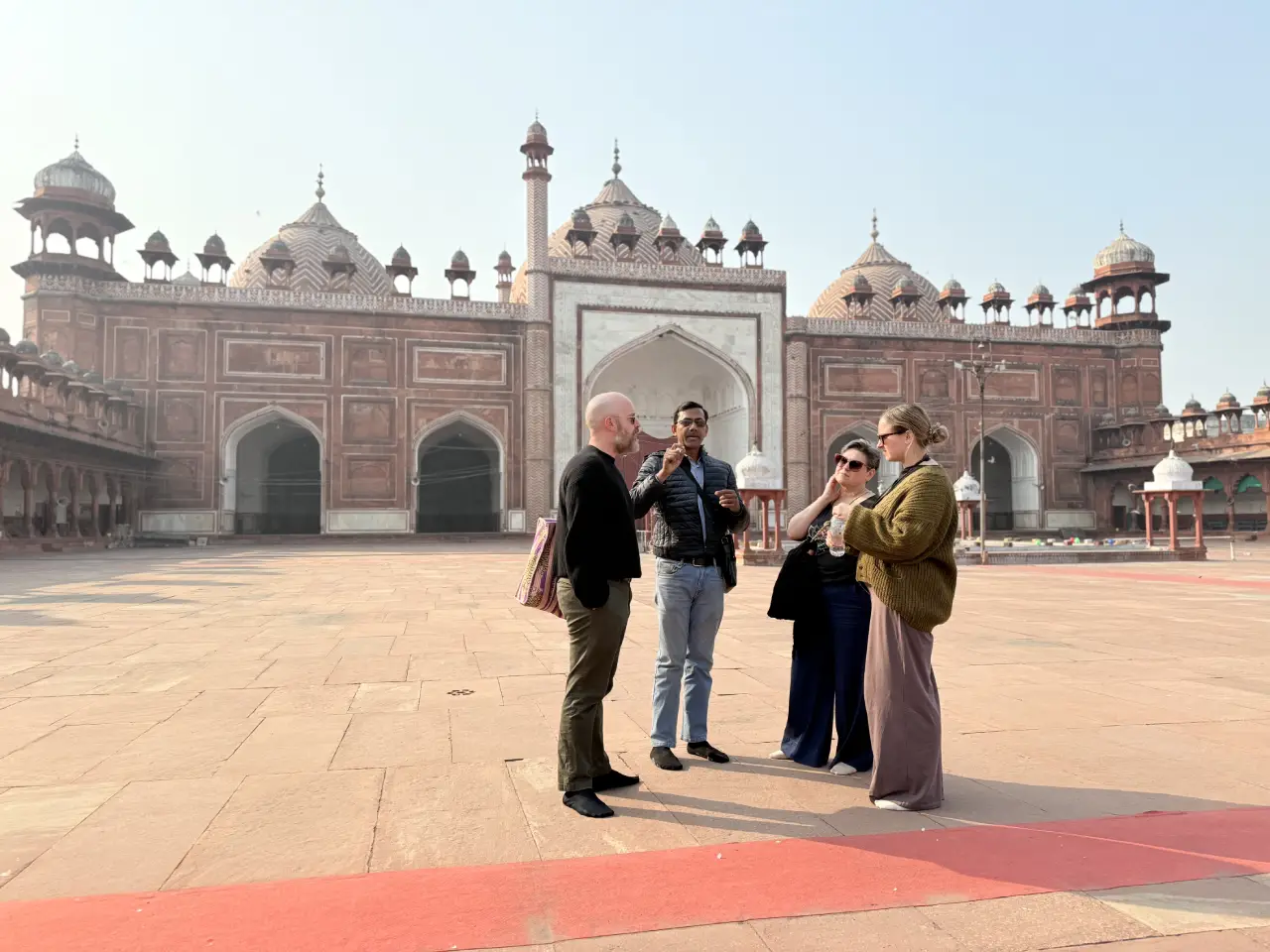
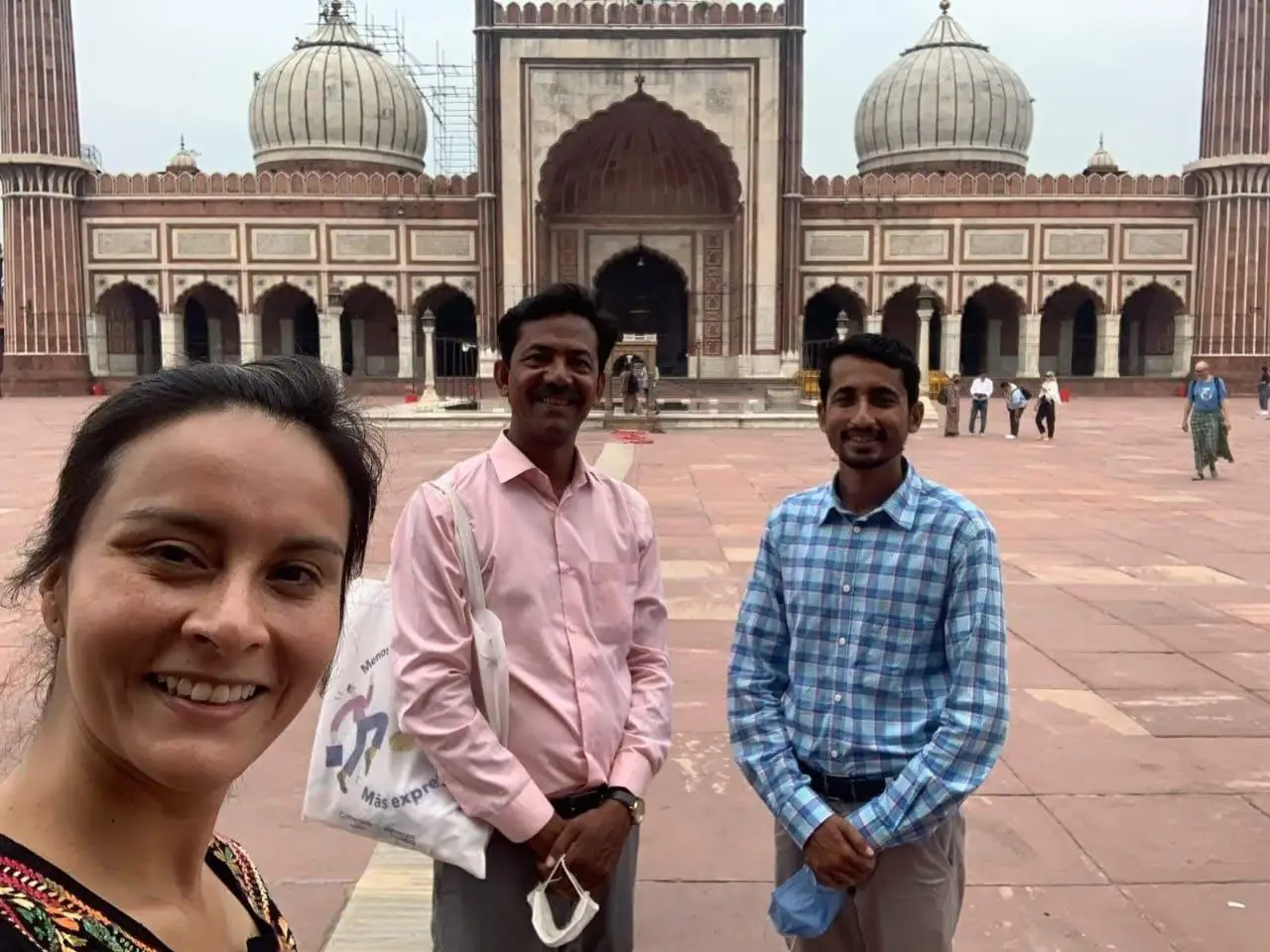
  • Jama Masjid: One of the largest mosques in India, built by Emperor Shah Jahan in the 17th century.
  • Red Fort: A UNESCO World Heritage site and the symbol of Mughal power in India.
  • Raj Ghat: The memorial where Mahatma Gandhi was cremated.
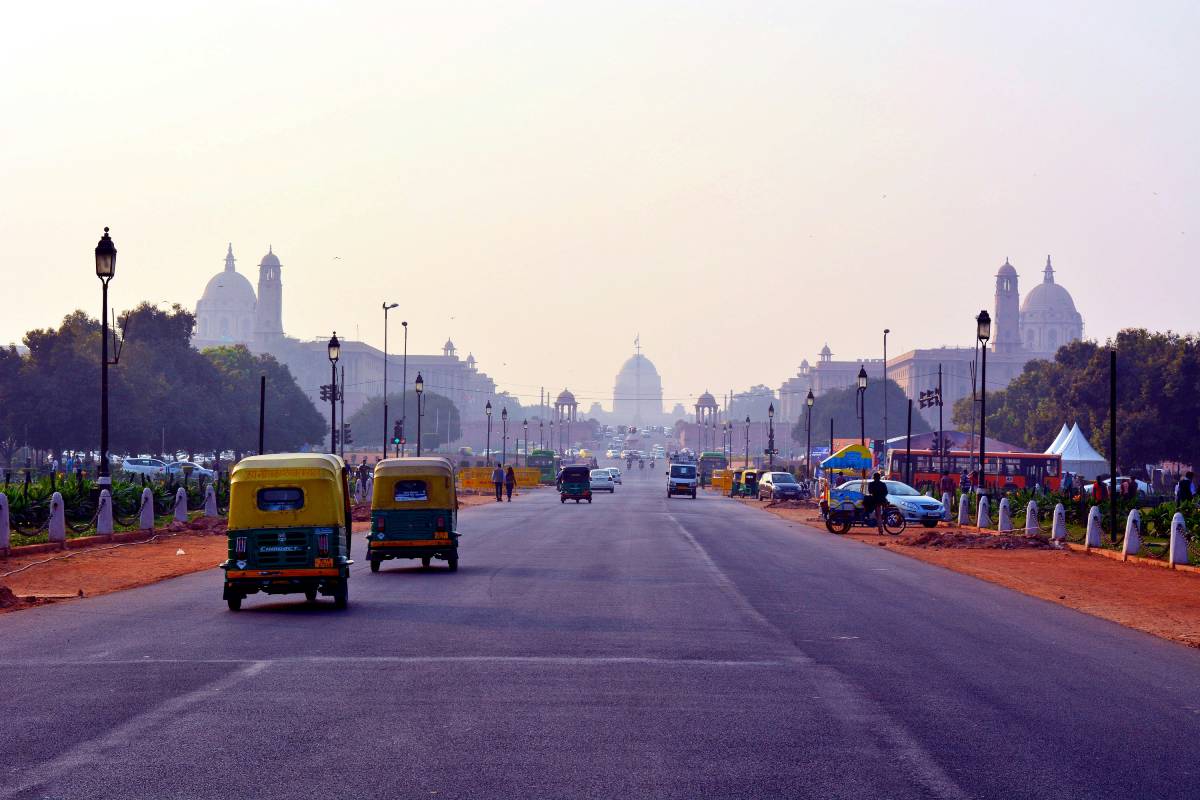
  • India Gate: A 140-feet tall war memorial honoring Indian soldiers who died in WWI.
  • Humayun’s Tomb: The first garden tomb in India and a precursor to the Taj Mahal.
  • Qutub Minar: A 12th-century tower that’s one of the tallest brick minarets in the world.

At the end of the day, return to your hotel to relax.

Day 3 Delhi to Agra – The Taj Mahal Awaits +

After breakfast, drive to Agra (about 4 hours). Upon arrival, check into your hotel, then visit:

  • Agra Fort: This UNESCO World Heritage site is a massive red sandstone fort built by Mughal Emperor Akbar.
  • Mehtab Bagh: A garden offering a great view of the Taj Mahal across the Yamuna River.

Enjoy the rest of the evening at leisure.

Day 4 Taj Mahal at Sunrise – On to Ranthambore +

Wake up early for a visit to the Taj Mahal at sunrise, when it looks especially beautiful. Afterward, return to your hotel for breakfast. Then, check out and drive towards Ranthambore (around 6.5 hours). En route, we’ll stop at Fatehpur Sikri, a former Mughal capital.

Day 5 Two Safaris in Ranthambore National Park +

Rise early for a morning safari in Ranthambore National Park, known for its Bengal tigers and other wildlife. Afterward, head back to your hotel for breakfast.

In the afternoon, go for a second safari and experience more of the park’s natural beauty.

Day 6 Ranthambore to Jaipur – The Pink City +

After breakfast, drive to Jaipur (about 4 hours). Upon arrival, check into your hotel. In the late afternoon, visit:

  • Monkey Temple (Galta Ji): A sacred temple with natural spring-fed pools and many monkeys!
  • Birla Mandir: A peaceful white marble temple dedicated to Lord Vishnu and Goddess Lakshmi.

Day 7 Full Day Jaipur Sightseeing +

Start the day by visiting the stunning Amer Fort, a hilltop fortress with beautiful views and intricate architecture. Then, see:

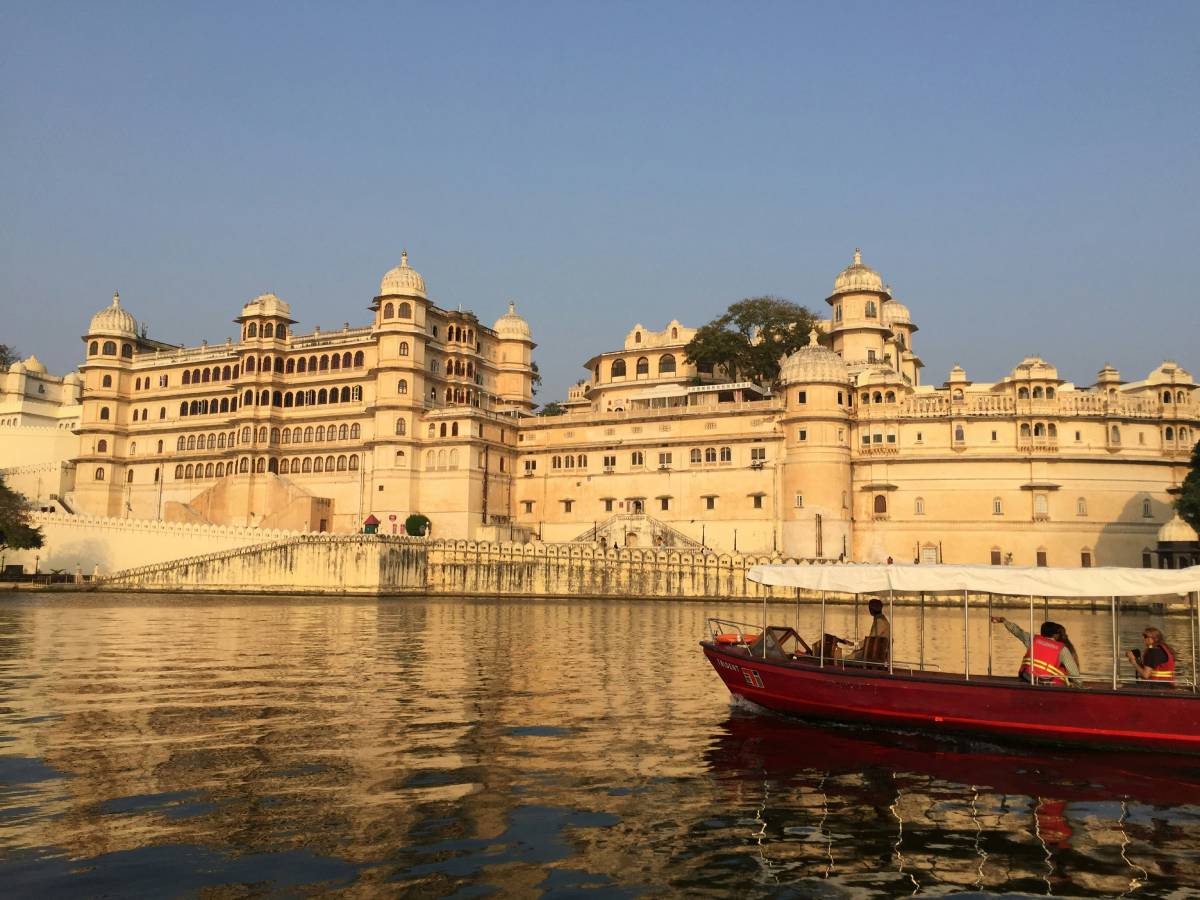
  • Jal Mahal (Water Palace): A picturesque water palace in the middle of Man Sagar Lake.
  • Hawa Mahal (Palace of Winds): A stunning pink palace with 953 small windows, designed for royal women to watch street life.
  • City Palace: The royal residence, showcasing a blend of Rajasthani and Mughal architecture.
  • Jantar Mantar: A UNESCO World Heritage site, this observatory has massive instruments used for tracking stars and planets.

Day 8 Return to Delhi – Tour Ends +

After breakfast, drive back to Delhi (5 hours) or head to Jaipur Airport for your return flight. This marks the end of your Golden Triangle and Ranthambore adventure!

Book Tour

Contact Form Demo

Tour By

Anjum Saeed

10+ Years Expirence

Inclusions

check

Accommodation in 4- and 5-star hotels throughout the tour.

check

Round-trip transportation by private, air-conditioned vehicle.

check

Two safaris in Ranthambore National Park (shared Jeep/Canter).

check

Professional private tour guide throughout the tour (Languages available: English, Spanish, German, Russian, French, Italian, Chinese, Japanese)

check

Bottled water during sightseeing and travel.

check

All transport, parking, tolls, and gasoline fees.

Exclusions

check

Monument entry fees

check

Personal expenses (shopping, tips, etc.).

check

Anything not specifically mentioned in the inclusions.
Additional Information

  • Private Experience: This is a private tour for your group only, providing more flexibility and comfort.
  • Booking: It’s recommended to book in advance to secure safari permits, especially for tiger sightings.
  • Accessibility: The tour is suitable for people with limited mobility, and most locations are wheelchair accessible.
  • Weather: The best time to visit is between October and March, when the weather is pleasant, and tiger sightings are more frequent.

Related Tours

What our customers say

Most Asked Questions by our Guests.

Is 8 days enough time to see Delhi, Agra, Ranthambore, and Jaipur without feeling rushed? +

Yes, 8 days is a good amount of time to explore Delhi, Agra, Ranthambore, and Jaipur without feeling rushed. We’ve designed the itinerary so that you have time to enjoy each destination at a relaxed pace, with ample opportunities for sightseeing, rest, and exploration.

You’ll have enough time to visit the key attractions in each city while also experiencing the wildlife safari in Ranthambore.

Which direction is better: Delhi–Agra–Ranthambore–Jaipur or the reverse? +

Both directions work well, but Delhi–Agra–Ranthambore–Jaipur tends to be a smoother route, especially for logistics. This route allows you to start in Delhi, explore the historical sites, then head to Agra and visit the Taj Mahal early in the morning.

From there, Ranthambore provides a natural next step for your wildlife experience before ending your journey in the vibrant city of Jaipur.

Can I add a visit to Fatehpur Sikri and the Abhaneri Stepwell on the way to Ranthambore? +

Yes! We can certainly include a visit to Fatehpur Sikri (the former Mughal capital) and the Abhaneri Stepwell (a stunning architectural wonder) during your drive from Agra to Ranthambore. These sites can easily be added to your itinerary, allowing you to explore more historical and cultural landmarks along the way.

How much time should I realistically spend at the Taj Mahal? +

We recommend spending around 2 to 3 hours at the Taj Mahal. This gives you enough time to fully appreciate the monument, take photos, and enjoy its peaceful atmosphere. If you’re visiting at sunrise, you may want to stay a little longer to capture the changing light and the beauty of the Taj from different angles.

Are the monuments in Delhi open every day of the week? +

Most monuments in Delhi are open every day, except for Friday, when Jama Masjid and some other sites may have limited access. We’ve planned your itinerary so you won’t miss any of the main sites, but it’s good to know that certain attractions might be busier or have special hours on Fridays.

Which day of the week is the Taj Mahal closed to the public? +

The Taj Mahal is closed to visitors on Fridays. We’ve scheduled the visit to ensure you have access to the monument on another day of the week to make the most of your trip.

Can I see the Taj Mahal at sunrise and still make it to Ranthambore for an afternoon safari? +

Yes, absolutely! The Taj Mahal at sunrise is a must-see, and we’ve designed the itinerary so that you can enjoy the early morning visit and still have plenty of time to travel to Ranthambore and make it for your afternoon safari.

What is the best month for both pleasant weather and tiger sightings? +

The best time to visit for both weather and tiger sightings is from October to March. During these months, the weather is cool and comfortable, and the chances of seeing tigers in Ranthambore are higher as they tend to be more active during the dry season.

Is the 8-day tour suitable for families with young children or seniors? +

Yes, the tour is designed to be family-friendly and senior-friendly. The pace is relaxed, with plenty of downtime built in, and private transportation ensures comfort for everyone. We also work with professional guides who can adjust the experience to suit all ages and interests.

Is a Jeep (Gypsy) better than a Canter for photography? +

Yes, a Jeep (Gypsy) is generally preferred by photographers because it offers a more open, unobstructed view compared to the Canter (a larger vehicle). If photography is important to you, we recommend choosing a Jeep for your safari.

How far in advance do I need to book Ranthambore safari permits? +

It’s best to book safari permits at least 30 days in advance to ensure availability, especially during peak tourist season (October to March). We recommend booking as early as possible to secure your preferred safari timings and zones.

What should I wear on a morning safari in December or January (winter)? +

During the winter months (December and January), mornings can be chilly in Ranthambore. We recommend wearing warm layers such as a jacket, scarf, and gloves, especially for the early morning safari. As the sun comes up, the temperature will rise, so it’s easy to adjust your clothing accordingly.

Are there restrooms available inside the core safari zones? +

There are limited restroom facilities near the park entrance and in some safari zones. However, it’s always a good idea to use the restroom before heading into the park to avoid any discomfort during your safari.

Is Ranthambore National Park closed during the monsoon months? +

Yes, Ranthambore is closed during the monsoon season (June to September), as heavy rains make the park difficult to access and can affect the safety of safari operations.

What other wildlife can I see besides Bengal tigers? +

Besides Bengal tigers, Ranthambore National Park is home to a wide variety of wildlife, including leopards, wild boars, sambar deer, crocodiles, peacocks, and numerous species of birds. It’s a great spot for nature lovers and wildlife photographers.

Guide Popup Form